New Year Resolution for 2025
As 2024 draws to a close, it is time to review our financial checklist and tick off those remaining boxes. As we usher in 2025, let the resolutions be our financial compass.
My Achievements in Year 2024
- Budget for house renovations – I created a budget to help prioritize house renovations and I managed to spend within the budget.
- Reassess insurance coverage annually – We have to make it a habit to regularly review and adjust financial plan, ensuring it aligns with changes in our lives and priorities. I have terminated unnecessary plan which saves me RM2400 per year.
- Hone a new skill – I get rolled off from Cornerstone LMS training. Throughout the learning session, I learned much about learning deployment intakes, including when to slow things down, redirect, escalate and push back for more information. Not only I have learned the mechanics of an LMS, but also the aspects of Records Management and Learning Management, and how to deploy learning for the greatest impact and sustainability. I will continue to hone my knowledge through the experience: learning program wireframing and modeling, target audience refinement, and LMS program mechanics (including testing, troubleshooting, and escalations).
Year 2025 Goals
1. Save and Grow Money for Early Retirement
Spending less and saving more is always my top priority. Switching to a high-interest bank account can expedite the process and keep our money working for us. We can also consider doing automate contributions which helps our savings growing effortlessly.
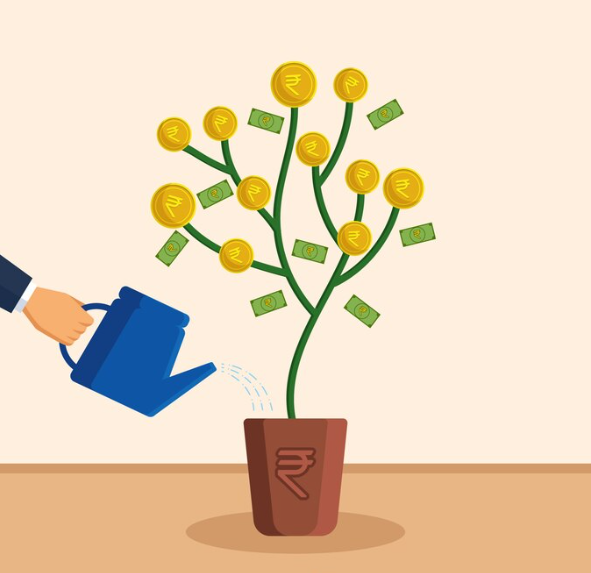
Sometimes, it’s about making more money, not just saving. I will consider a side hustle to boost my income. Whether it’s freelance work, or selling online, we should always diversify income streams for financial resilience.
Start the Home Selling Process
Selling a house comes with associated costs along with gains. If you seek to partner with an agent, you will expect to pay commission once your listing sold. There are also other expenses that we will need to consider such as legal fees, Real Property Gains Tax and repairs.
To give myself a baseline for my property’s current market value, I will delve into recent sales in my neighbourhood, focusing on houses that mirror my own in size, condition and location. That helps me to set the right price to sell. An accurately priced home not only attracts buyers’ attention but also encourages competitive offers.
If you don’t find a way to make money while you sleep, you will work until you die.
2. Improve Physical Health – Reactivate Exercise Plan
Everyone is concerned about health, and losing weight is one of the most common New Year’s resolutions out there.

I won’t start with a goal that involves working out 3 days a week. Instead, I will set a smaller, more attainable goal that won’t overwhelm myself. I will start with 15 to 30 minutes 1 day a week while building my strength and stamina up. Once that becomes a habit, then I will add another day or an additional 15 minutes to the 3 days. It’s important to build a solid foundation first.
Besides that, I will also try to make small changes to my diet by just taking vegetables meal on my weekday lunch. I will set aside time each week to plan my meals and exercise schedule. This can help me to stay on track and avoid making unhealthy choices when I’m in a rush.
We should have regular health check-ups. This is the best way to monitor our overall health and detect potential issues early.
My current body weight is 86.6kg. My goal is to drop 3kg in the first 3 months and if I stick closely to my diet and exercise plan I can actually lose 1kg a month which is considered a healthy rate of weight loss. I can expect to lose somewhere between 10-12kg in a year.
You don’t have to see the whole staircase, just take the first step.
3. Advance My Career
I will start creating a list of short-term, mid-term, and long-term goals for my career or brainstorming some ideas for professional development I would like to pursue in 2025.
I will write down a few of the job titles that I could move into if I were promoted at my company. Then, search for job listings on Jobstreet or LinkedIn to see what skills that higher position requires. I will establish specific and realistic career development goals and spend the first six months of 2025 filling those skills gaps, then asking for a promotion to end 2026 in a new role.

I will set out steps that I can take to progress in my career, such as seeking a promotion, taking on new responsibilities, or finding projects that can enhance my professional experience.
At the start of each quarter, I will set a learning goal for the 90 days ahead. That learning could involve developing a skill relevant to my area of expertise via online courses or classroom training. At the end of the quarter, I will review how I have done. If I have narrowed the learning gap, I will then move on to another learning challenge next quarter.
4. Spend Quality Family Time
A goal every family should have in 2025 is to be more in the moment, and less on the internet. I’m going to spend more time outdoors as I’m tired of my family spending all their time in front of the TV and phones.

Researchers have found that spending time in nature is good for our mental and emotional wellbeing, as well as physical health. Exposure to nature can reduce stress, supports greater attention and focus, and improves children’s behavior. It even appears to make kids smarter, as various studies have shown that time in green spaces correlated to higher IQ. I will set aside time weekly or monthly for family adventures.
I will also explore more exciting events, try something new, plan a road trip or simply get out into a place for quiet time together in nature. I believe these moments can create stress-free environments and lasting memories.
In time of test, family is best.